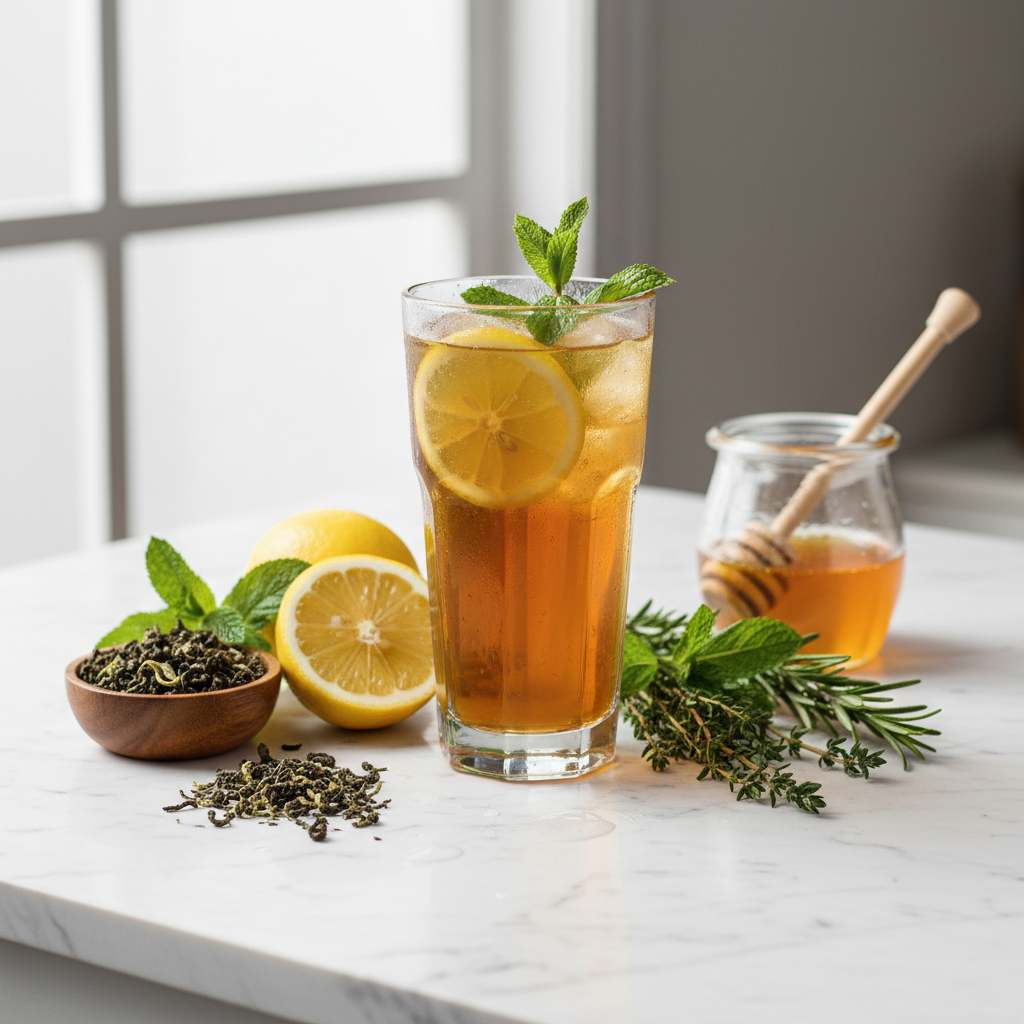
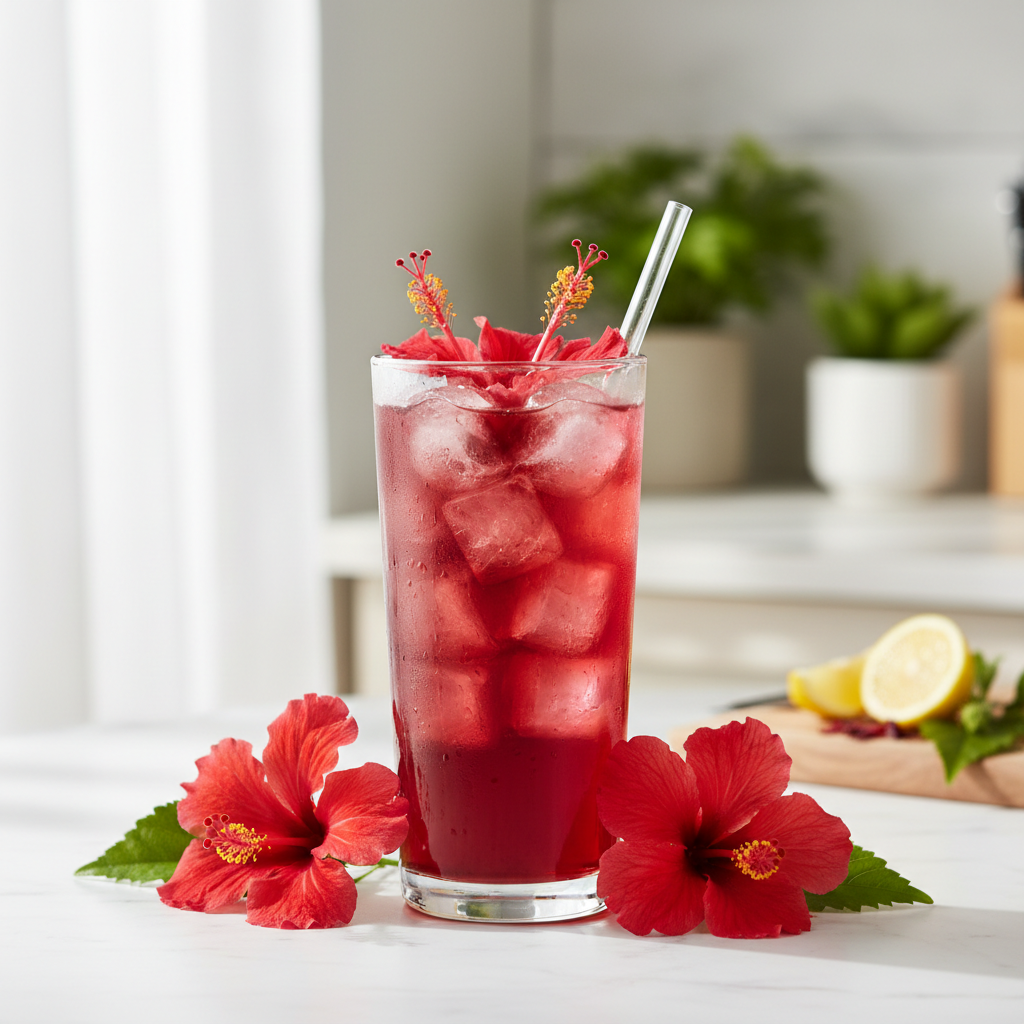
Moringa has been called a superfood, a miracle tree, and a nutritional powerhouse — and while the marketing can get a bit breathless, the underlying science is genuinely interesting. When you brew it as an iced tea, you get a refreshing, earthy drink that delivers real nutritional value in a form that's easy to enjoy every day.
Here's what moringa iced tea actually does for you, what it tastes like, and how to make it at home.
What Is Moringa?
Moringa oleifera is a fast-growing tree native to South Asia, now cultivated across tropical and subtropical regions worldwide. The leaves are the part most commonly used for tea — dried and ground into a fine green powder, or dried whole and sold as loose leaf.
The nutritional profile is legitimately impressive. Moringa leaves contain:
- Vitamin C — more per gram than oranges
- Calcium — comparable to dairy milk by weight
- Iron — a meaningful source, particularly for plant-based diets
- Potassium — important for hydration and muscle function
- Protein — unusually high for a leafy plant, with all essential amino acids present
- Antioxidants — including quercetin, chlorogenic acid, and isothiocyanates
Of course, you're not eating the leaves — you're brewing them into tea. The nutrient extraction in tea is partial, so moringa tea delivers less than eating the powder directly. But it still provides a meaningful dose of antioxidants and some minerals, in a form that's pleasant to drink throughout the day.
Health Benefits of Moringa Iced Tea
Antioxidant Support
Moringa leaves are rich in polyphenols and flavonoids that help neutralise free radicals in the body. Regular consumption of antioxidant-rich foods and drinks is associated with reduced inflammation and lower risk of chronic disease. Moringa's antioxidant content is well-documented in the research literature — it's one of the more credible claims made about this plant.
Blood Sugar Management
Several studies have found that moringa leaf extract can help moderate blood sugar levels, particularly after meals. The mechanism appears to involve isothiocyanates, which influence how the body processes glucose. This is promising research, though most studies have been small and conducted on animals or in controlled clinical settings — it's not a replacement for medical treatment, but it's a meaningful signal.
Anti-Inflammatory Properties
Chronic inflammation is linked to a wide range of health conditions, from joint pain to cardiovascular disease. Moringa contains compounds — particularly isothiocyanates and flavonoids — that have demonstrated anti-inflammatory effects in laboratory studies. Drinking moringa tea regularly may contribute to an overall anti-inflammatory diet.
Nutrient Density Without Caffeine
One of moringa's most practical benefits is that it's caffeine-free. If you're looking for a nutritious iced drink you can enjoy in the afternoon or evening without affecting your sleep, moringa iced tea is an excellent option. It gives you something interesting to drink that isn't just water, with genuine nutritional upside.
Digestive Support
Moringa has traditionally been used to support digestive health, and some research supports its use as a mild digestive aid. It contains fibre (in the leaves themselves, though less so in brewed tea) and compounds that may support healthy gut bacteria.
What Does Moringa Iced Tea Taste Like?
Honestly? It's earthy. Moringa has a flavour profile that's often described as grassy, slightly bitter, and reminiscent of spinach or matcha — but milder than either. When brewed cold and served over ice, the bitterness softens considerably and the earthy notes become more pleasant.
On its own, moringa iced tea is an acquired taste. Most people find it more enjoyable with a squeeze of lemon, a drizzle of honey, or blended with another tea like green tea or mint. The lemon in particular works beautifully — the acidity brightens the earthy flavour and makes the whole drink feel more refreshing.
How to Make Moringa Iced Tea
Method 1: Hot Brew, Then Chill
This is the quickest method and works well with both loose leaf and powder.
Ingredients:
- 1 teaspoon moringa powder or 1–2 teaspoons loose leaf moringa
- 240 ml hot water (not boiling — around 80°C)
- Ice
- Optional: lemon juice, honey, mint
Instructions:
- Steep moringa in hot water for 3–5 minutes. Don't use boiling water — it can degrade some of the heat-sensitive nutrients and make the tea more bitter.
- Strain if using loose leaf.
- Let cool for a few minutes, then pour over a glass full of ice.
- Add lemon juice and honey to taste.
Method 2: Cold Brew Moringa
Cold brewing produces a smoother, less bitter result and preserves more of the heat-sensitive nutrients.
Ingredients:
- 1.5 teaspoons moringa powder or 2 teaspoons loose leaf per 500 ml water
- Cold filtered water
- Ice
Instructions:
- Combine moringa and cold water in a jar or pitcher.
- Stir well (powder especially needs a good stir to disperse).
- Refrigerate for 6–8 hours.
- Strain through a fine mesh strainer or cheesecloth.
- Serve over ice with lemon and sweetener if desired.
Cold brewed moringa is noticeably smoother than hot-brewed — the earthy notes are there, but the bitterness is much more subdued.
Flavour Combinations That Work Well
Moringa + Lemon + Honey: The classic. Lemon brightens the earthy flavour; honey rounds it out. This is the version most likely to convert moringa sceptics.
Moringa + Mint: Fresh mint adds a cooling note that plays well against moringa's earthiness. Muddle a few leaves into your glass before pouring.
Moringa + Green Tea: Brew both together for a double dose of antioxidants. The green tea adds a familiar flavour that makes the moringa easier to enjoy.
Moringa + Ginger + Lemon: A wellness-forward combination with a pleasant kick. Ginger and moringa are both anti-inflammatory, making this a genuinely functional drink.
Moringa + Coconut Water: Use coconut water instead of plain water for a naturally sweet, electrolyte-rich base. This works particularly well as a post-workout drink.
How Much Moringa Is Safe?
Moringa is generally considered safe for most people in moderate amounts. One to two teaspoons of powder per day is a reasonable amount for regular consumption. Very high doses may cause digestive upset, and moringa can interact with certain medications — particularly those for blood sugar and blood pressure. If you're on medication, check with your doctor before making moringa a daily habit.
Pregnant women are typically advised to avoid moringa supplements, as some compounds in the root and bark (not the leaves) have been associated with uterine contractions. Moringa leaf tea in moderate amounts is generally considered safe, but it's worth discussing with a healthcare provider.
Where to Buy Moringa Tea in Canada
Moringa tea is increasingly available at health food stores, bulk food shops, and online retailers across Canada. Look for:
- Organic certification — moringa is often grown in regions with variable agricultural standards; organic certification provides some assurance
- Loose leaf or powder — both work well; powder dissolves more easily but can be harder to strain
- Recent harvest date — moringa loses potency over time; fresher is better
The Bottom Line
Moringa iced tea won't transform your health overnight, but it's a genuinely nutritious, caffeine-free drink that's worth adding to your rotation — especially if you're looking for something more interesting than plain water on a hot day. The earthy flavour takes some getting used to, but with lemon and a touch of honey, it's surprisingly refreshing.
Start with the hot brew method to get a feel for the flavour, then try cold brewing once you know you enjoy it. The cold brew version is smoother and, for most people, more drinkable.
Explore Topics
Written by
Steep & Chill
Content creator and writer sharing insights and stories.