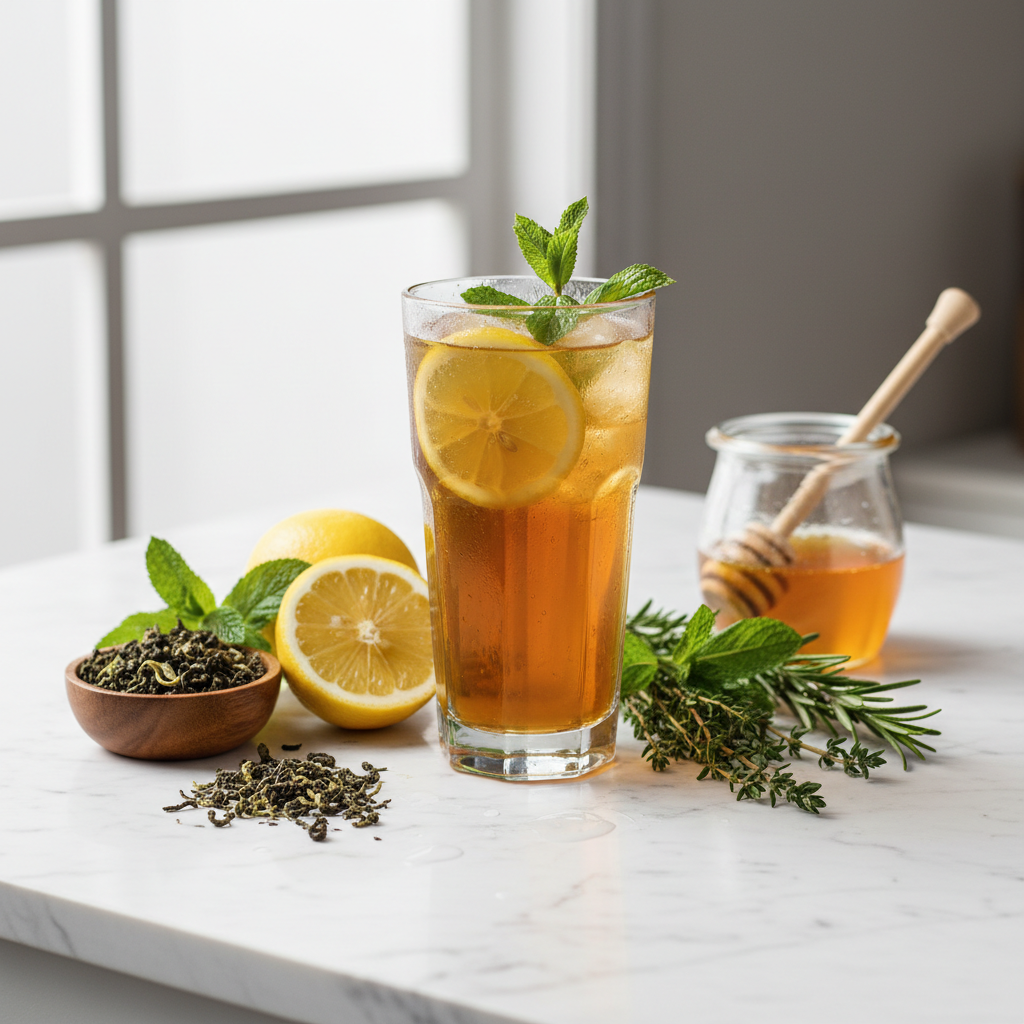
Turmeric and ginger have been used together in traditional medicine for thousands of years — in Ayurvedic practice, in traditional Chinese medicine, and in the kitchens of South and Southeast Asia. When you brew them into an iced tea, you get a drink that's warming and cooling at the same time: spicy, earthy, and genuinely refreshing on a hot day.
More importantly, the combination of turmeric and ginger produces a synergistic effect that makes both more effective than either would be alone. Here's what the research actually says, and how to make a version you'll actually want to drink.
The Active Compounds: What You're Actually Getting
Curcumin (from Turmeric)
Curcumin is the primary bioactive compound in turmeric — the one responsible for its vivid golden colour and most of its health properties. It's a potent antioxidant and anti-inflammatory agent, and it's been the subject of thousands of scientific studies.
The challenge with curcumin is bioavailability: on its own, it's poorly absorbed by the body. This is where the combination with ginger (and black pepper, if you add it) becomes important.
Gingerols and Shogaols (from Ginger)
Fresh ginger contains gingerols; dried ginger contains shogaols (formed when gingerols are dried or heated). Both are anti-inflammatory and antioxidant compounds with well-documented effects on nausea, digestion, and inflammation.
Ginger also contains compounds that may enhance the absorption of other nutrients — including curcumin — which is one reason the turmeric-ginger combination is so effective.
The Black Pepper Factor
If you want to significantly boost curcumin absorption, add a small pinch of black pepper to your turmeric ginger tea. Piperine, the active compound in black pepper, has been shown to increase curcumin bioavailability by up to 2,000%. You won't taste it at the level needed — just a pinch per cup — but it makes a meaningful difference.
Health Benefits of Turmeric Ginger Iced Tea
Anti-Inflammatory Effects
This is the most well-supported benefit of both turmeric and ginger. Chronic low-grade inflammation is implicated in a wide range of conditions — joint pain, cardiovascular disease, metabolic syndrome, and more. Both curcumin and gingerols have demonstrated anti-inflammatory effects in clinical research, working through multiple pathways to reduce inflammatory markers.
Drinking turmeric ginger tea regularly won't cure inflammatory conditions, but as part of an overall anti-inflammatory diet and lifestyle, it's a meaningful contribution.
Joint and Muscle Support
Several clinical trials have found that ginger supplementation reduces pain and stiffness in people with osteoarthritis, with effects comparable to some over-the-counter pain medications in some studies. Turmeric has shown similar results in joint pain research.
For people who exercise regularly, turmeric ginger iced tea makes a genuinely functional post-workout drink — the anti-inflammatory compounds may help reduce delayed onset muscle soreness (DOMS).
Digestive Health
Ginger is one of the most well-studied natural remedies for nausea and digestive discomfort. It's effective for motion sickness, morning sickness, and post-operative nausea. It also stimulates digestive enzymes and bile production, supporting overall digestive function.
Turmeric has been used traditionally for digestive issues and may support healthy gut function, though the research here is less robust than for ginger.
Antioxidant Protection
Both turmeric and ginger are rich in antioxidants that help neutralise free radicals — unstable molecules that contribute to cellular damage and ageing. Regular consumption of antioxidant-rich foods and drinks is associated with reduced risk of chronic disease and better overall health outcomes.
Immune Support
Ginger has demonstrated antimicrobial and antiviral properties in laboratory studies, and both turmeric and ginger have been used traditionally to support immune function. While the evidence for specific immune benefits in humans is less definitive, both compounds contribute to an overall anti-inflammatory environment that supports immune health.
Blood Sugar Regulation
Both turmeric and ginger have shown promise in research on blood sugar management. Curcumin may improve insulin sensitivity; ginger has been shown to reduce fasting blood sugar in some studies. This is promising but not yet definitive — don't use turmeric ginger tea as a substitute for medical treatment of blood sugar conditions.
What Does Turmeric Ginger Iced Tea Taste Like?
Earthy, spicy, and warming — even when served cold. Turmeric has a slightly bitter, peppery flavour with an earthy depth. Ginger adds heat and brightness. Together, they create a complex, layered flavour that's quite different from most iced teas.
The key to making it pleasant is balance. Too much turmeric and it becomes bitter and medicinal. Too much ginger and it's overwhelming. The right ratio produces something that's spicy and warming in the best possible way — like a cold version of a chai, but lighter.
Lemon juice and honey are the classic additions that make turmeric ginger tea genuinely delicious rather than just functional.
How to Make Turmeric Ginger Iced Tea
Basic Recipe (Hot Brew, Then Chill)
Ingredients (makes 2 servings):
- 1 teaspoon ground turmeric (or 2 cm fresh turmeric root, grated)
- 1 teaspoon fresh ginger, grated (or ½ teaspoon ground ginger)
- Pinch of black pepper
- 500 ml water
- Juice of half a lemon
- 1–2 teaspoons honey
- Ice
Instructions:
- Bring water to a simmer (not a rolling boil — around 90°C).
- Add turmeric, ginger, and black pepper. Simmer gently for 5–10 minutes.
- Strain through a fine mesh strainer.
- Stir in lemon juice and honey while still warm.
- Let cool, then pour over ice.
Cold Brew Version
Cold brewing turmeric ginger tea produces a smoother, less bitter result — though it requires more time.
Ingredients (makes 1 litre):
- 1.5 teaspoons ground turmeric
- 1.5 teaspoons ground ginger (or 3 cm fresh ginger, sliced)
- Pinch of black pepper
- 1 litre cold filtered water
Instructions:
- Combine all ingredients in a jar or pitcher.
- Stir well to disperse the turmeric powder.
- Refrigerate for 8–12 hours.
- Strain through a fine mesh strainer or cheesecloth (turmeric powder can clog finer filters).
- Serve over ice with lemon and honey.
Note: Turmeric will stain. Use glass or stainless steel containers, and be careful with light-coloured clothing and countertops.
Flavour Variations
Turmeric Ginger Lemonade: Add extra lemon juice and a generous amount of honey for a more lemonade-like version. Refreshing and easy to drink.
Golden Milk Iced Tea: Add a splash of oat milk or coconut milk to your glass before pouring the cold brew. The creaminess softens the spice and makes it feel more indulgent.
Turmeric Ginger Mint: Add fresh mint leaves to the cold brew during steeping. The mint adds a cooling note that balances the warming spice beautifully.
Turmeric Ginger Hibiscus: Brew hibiscus flowers alongside the turmeric and ginger. The hibiscus adds tartness and a gorgeous deep red colour that contrasts with the golden turmeric.
Sparkling Turmeric Ginger: Brew a concentrated version (double the turmeric and ginger), strain, and dilute with sparkling water over ice. The bubbles make it feel lighter and more refreshing.
Practical Tips
Use fresh turmeric root when you can. Fresh turmeric has a brighter, more complex flavour than ground powder. It's available at many grocery stores and South Asian food shops across Canada.
Don't skip the black pepper. It genuinely makes a difference to how much curcumin your body absorbs. A small pinch is all you need — you won't taste it.
Strain carefully. Ground turmeric doesn't dissolve completely and will settle at the bottom of your glass. Strain through a fine mesh strainer lined with cheesecloth for the clearest result.
Sweeten to taste. The bitterness of turmeric varies between brands and batches. Taste your brew before adding sweetener and adjust accordingly.
Make a concentrate. Brew a double-strength batch and store it in the fridge for up to five days. Dilute with cold water or sparkling water as needed — much more convenient than brewing fresh every time.
Who Should Be Cautious?
Turmeric and ginger are safe for most people in culinary amounts. However:
- Blood thinners: Both turmeric and ginger have mild blood-thinning properties. If you're on anticoagulant medication, check with your doctor before consuming large amounts regularly.
- Gallstones: Turmeric stimulates bile production, which can be problematic for people with gallstones.
- Pregnancy: Ginger in moderate amounts is generally considered safe during pregnancy (and may help with morning sickness), but very high doses should be avoided. Turmeric in large supplemental doses is not recommended during pregnancy.
- Upcoming surgery: Both compounds can affect bleeding; it's generally recommended to stop high-dose turmeric and ginger supplementation two weeks before surgery.
As always, if you have a specific health condition or are on medication, check with your healthcare provider.
The Bottom Line
Turmeric ginger iced tea is one of the most genuinely functional drinks you can make at home. The combination of curcumin and gingerols creates a synergistic anti-inflammatory effect that's well-supported by research, and when you add lemon, honey, and a pinch of black pepper, it's also genuinely delicious.
The cold brew version is worth the extra time — it's smoother, less bitter, and more refreshing than the hot-brewed version served over ice. Make a litre on Sunday and you have a week's worth of functional, flavourful iced tea ready to go.
Don't forget the black pepper. It's the detail that makes the difference.
Explore Topics
Written by
Steep & Chill
Content creator and writer sharing insights and stories.