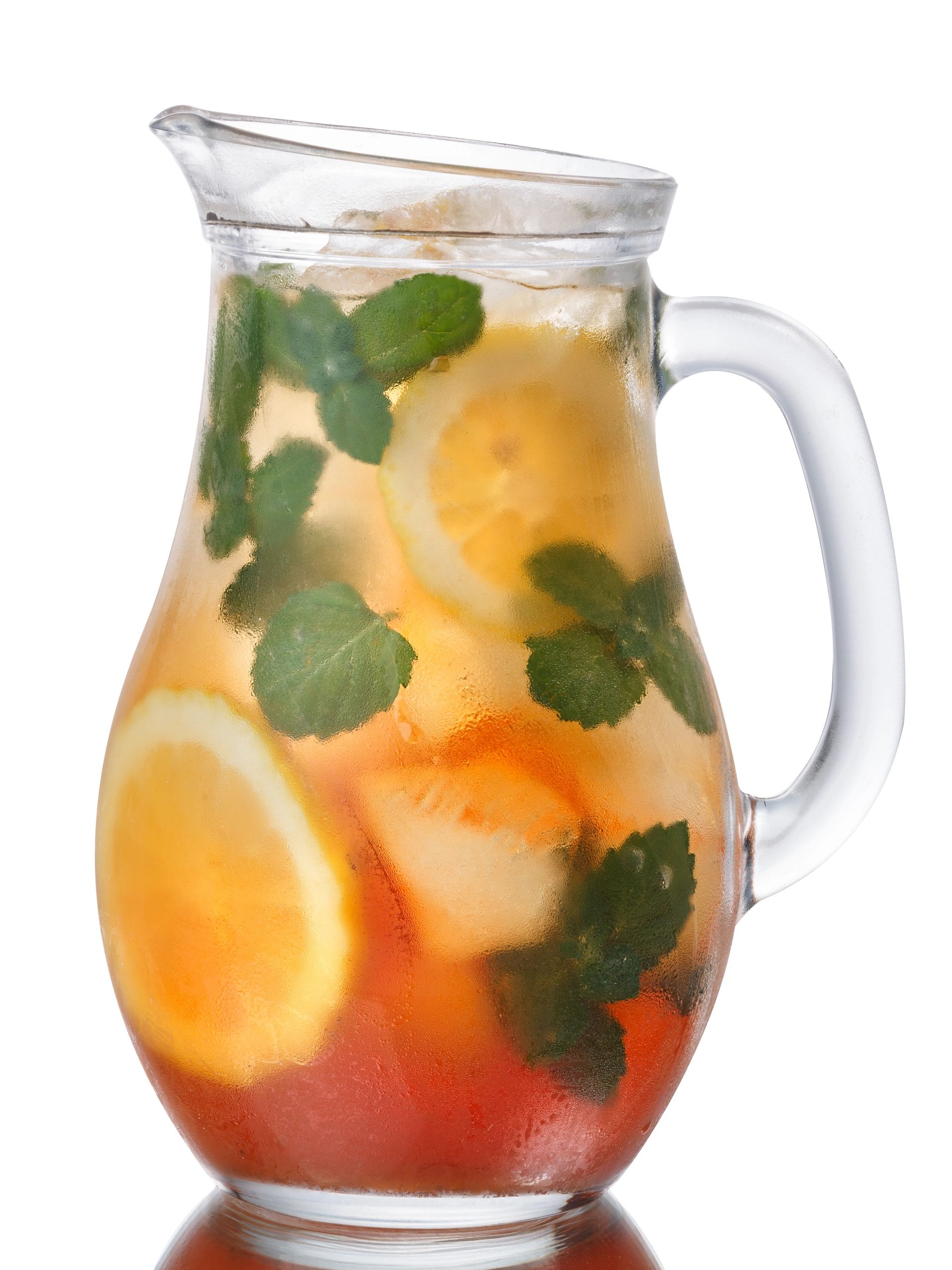
Ask any iced tea enthusiast which brewing method is better and you'll start a debate. Cold brew advocates swear by its smooth, mellow flavour. Hot brew loyalists love its speed and bold character. Both methods produce excellent iced tea — but they're not the same drink. Here's everything you need to know to choose the right method for you.
The Two Methods at a Glance
Hot brew (also called the traditional or flash-chill method) steeps tea in hot water for a few minutes, then chills it quickly over ice or in the refrigerator.
Cold brew steeps tea in cold or room-temperature water for 8–12 hours, extracting flavour slowly without heat.
Both methods work with black, green, white, and herbal teas — but they produce noticeably different results.
Flavour: The Most Important Difference
This is where the two methods diverge most dramatically.
Hot Brew Flavour Profile
Hot water extracts compounds from tea quickly and aggressively. This produces a bold, full-bodied flavour with more tannins — the compounds responsible for that slightly astringent, drying sensation on your tongue. Hot brew iced tea tastes more like what most people think of as "classic" iced tea: strong, robust, and assertive.
The trade-off is that hot water also extracts bitter compounds more readily, especially if you over-steep. Hot brew iced tea requires careful timing.
Cold Brew Flavour Profile
Cold water extracts flavour slowly and selectively. It pulls out the sweeter, more delicate compounds while leaving behind many of the bitter tannins. The result is a smoother, naturally sweeter, more nuanced iced tea with less astringency.
Cold brew iced tea often tastes lighter and more refreshing than hot brew — almost like the tea's "true" flavour without the heat-induced harshness.
Winner for flavour: Cold brew, especially for green and white teas. Hot brew for bold black tea classics.
Clarity: Which Looks Better in the Glass?
Iced tea clarity matters — a cloudy glass is less visually appealing than a clear, jewel-toned one.
Why Hot Brew Iced Tea Goes Cloudy
Hot brew iced tea often turns cloudy when refrigerated. This happens because rapid temperature changes cause tannins and caffeine to bind together and form a haze. It's harmless and doesn't affect flavour, but it's not as visually appealing.
How to prevent cloudiness: Let hot brew tea cool to room temperature before refrigerating. Avoid putting hot tea directly into the fridge.
Cold Brew Stays Crystal Clear
Because cold brew never experiences rapid temperature changes, it stays beautifully clear. If you want iced tea that looks as good as it tastes — especially for entertaining — cold brew is the winner.
Winner for clarity: Cold brew.
Caffeine Content
This surprises many people: cold brew iced tea typically contains less caffeine than hot brew.
Hot water extracts caffeine more efficiently than cold water. A standard hot-brewed cup of black tea contains roughly 40–70mg of caffeine. Cold brew, steeped for the same amount of tea, typically contains 20–40% less caffeine.
If you're sensitive to caffeine or want an evening iced tea, cold brew is the better choice. If you want a morning energy boost, hot brew delivers more caffeine per glass.
Winner for lower caffeine: Cold brew. Winner for higher caffeine: Hot brew.
Convenience: Which Is Easier?
Hot Brew
Hot brew takes 15–20 minutes from start to finish (plus chilling time). It requires active attention — you need to monitor the steep time and remove the tea bags promptly. The upside is that you can have iced tea ready in under an hour if you chill it quickly over ice.
Cold Brew
Cold brew requires almost zero effort — add tea bags to cold water, put it in the fridge, and forget about it for 8–12 hours. The downside is the wait time. You need to plan ahead.
Winner for speed: Hot brew. Winner for ease: Cold brew.
Which Teas Work Best for Each Method?
Best Teas for Hot Brew
- Assam black tea: Bold and malty — perfect for sweet tea and lemon iced tea
- Ceylon black tea: Bright and citrusy — great for classic iced tea
- Hibiscus herbal: The tart, ruby-red colour develops beautifully with heat
Best Teas for Cold Brew
- Green tea (Sencha, Jasmine): Cold brew prevents the bitterness that hot water can cause
- White tea: Delicate flavours shine without heat extraction
- Rooibos: Naturally sweet and smooth — ideal for cold brew
- Peppermint herbal: Cooling and refreshing without any bitterness
The Verdict: Which Method Should You Use?
There's no single right answer — it depends on what you want.
Choose hot brew if:
- You want iced tea in under an hour
- You prefer a bold, classic flavour
- You're making sweet tea or lemon iced tea
- You want maximum caffeine
Choose cold brew if:
- You can plan 8–12 hours ahead
- You prefer a smooth, mellow flavour
- You're brewing green or white tea
- You want crystal-clear iced tea
- You're sensitive to caffeine
The best approach? Master both methods. Keep a cold brew pitcher in the fridge overnight for tomorrow's iced tea, and use hot brew when you need a glass right now. Two methods, one perfect glass — every time.
Explore Topics
Written by
Steep & Chill
Content creator and writer sharing insights and stories.